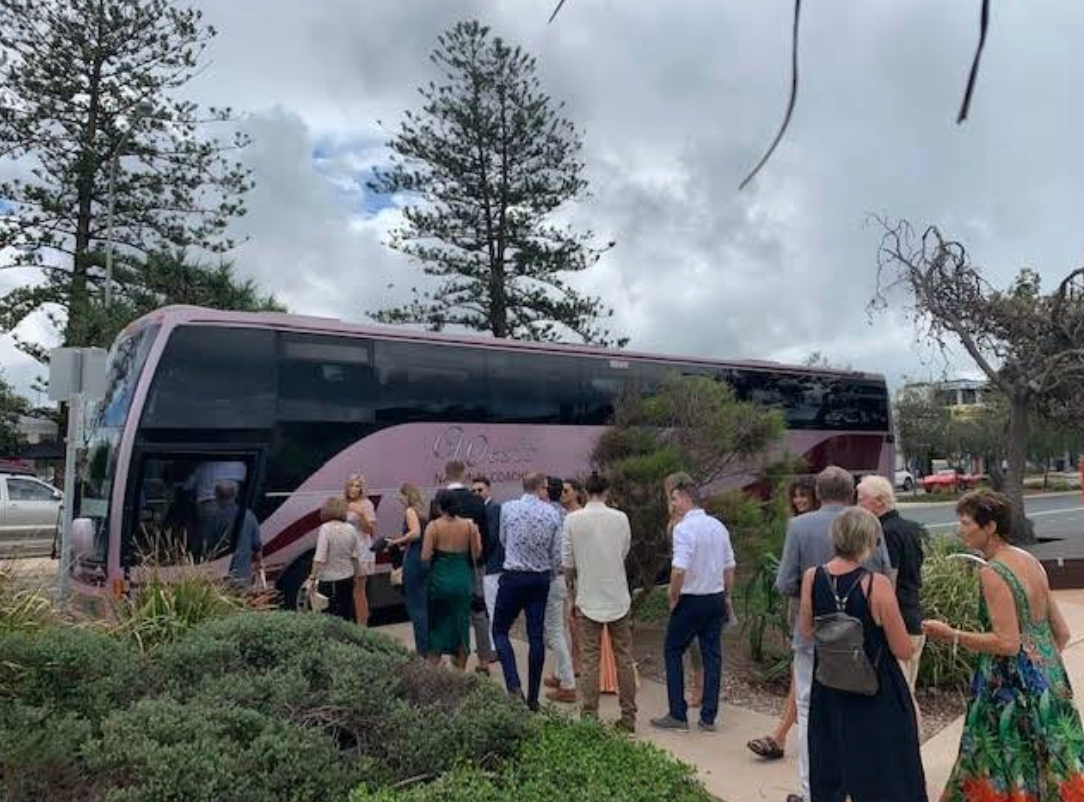
How Organisers Improve Large Group Coordination Over Time
Large group coordination gets easier the more you do it – but only if you're paying attention to what worked and what didn't. Whether you're organising
bus hire on the Sunshine Coast for a school excursion, a sports carnival or a corporate conference, the organisers who run the smoothest events are rarely the ones with the biggest budgets. They're the ones who've built systems, learned from past mistakes and locked in reliable logistics partners they don't have to think twice about.
Why Large Group Coordination Gets Easier With Experience
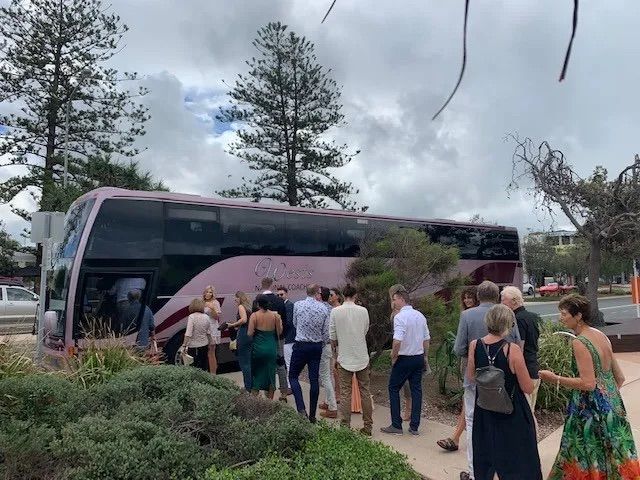
The first time you coordinate a large group, everything feels like guesswork. How many volunteers do you actually need at the pickup point? What happens if someone misses the bus? Where do people go if it's raining? These questions get answered the hard way, through trial and error, and that's exactly why experienced organisers make it look effortless.
Every event teaches you something specific to your group. A community group running an annual seniors' outing learns that boarding takes longer than expected and builds in extra time. A sports club running away-game transport learns that players need clear instructions about kit bags and seating before they even reach the vehicle. None of this is intuition – it's accumulated, event-specific knowledge that only comes from doing it more than once.
Experience also changes how organisers think about risk. New coordinators tend to plan for the event going right. Seasoned ones plan for the moments it doesn't – a late arrival, a change in group size, a venue that shifts its drop-off zone without notice. That shift in mindset, more than any single tool or checklist, is what separates smooth events from stressful ones.
Building Structured Systems: Scheduling, Roles & Communication Channels
Structure is what turns experience into something repeatable. Instead of relying on memory or good intentions, experienced organisers build systems that work whether they're personally on-site or not.
A solid coordination system usually includes three components:
- A master schedule covering pickup times, drop-off points, buffer periods and contingency windows – shared with everyone involved, not just the core committee.
- Clearly assigned roles so each person knows exactly what they're responsible for, whether that's headcounts, managing a specific group or liaising with the transport provider.
- A defined communication channel – a group chat, shared document or simple phone tree – so information moves quickly when plans need to change on the day.
The value of this structure isn't just organisation for its own sake. It's that it removes ambiguity. When everyone knows their role and where to find the schedule, fewer questions bottleneck back to one overwhelmed coordinator on event day.
Using Technology to Streamline Group Coordination
Technology doesn't replace good planning, but it does remove a lot of the manual friction that used to eat up an organiser's time. Shared calendars, group messaging apps and simple spreadsheet trackers let coordinators manage headcounts, seating allocations and last-minute changes without a dozen separate phone calls.
For larger or recurring events, some organisers use registration tools that automatically generate attendee lists and dietary or accessibility notes, which can then be handed straight to the transport provider. Others rely on shared location tracking so pickup coordinators know exactly when a bus is approaching a stop, reducing the guesswork around timing.
The best use of technology in group coordination is quiet and functional – it should reduce the number of decisions an organiser has to make manually, not add another platform to monitor. According to industry best practice, the most effective systems are the simplest ones the whole team will actually use consistently, not the most feature-rich.
Learning From Past Events: Spotting Bottlenecks & Refining Workflows
Every event generates lessons, but only organisers who deliberately review them actually benefit. A quick example: a corporate event planner running an annual staff conference might notice, year after year, that the biggest delay happens at the single pickup point near the office, where too many people arrive at once. After a few cycles, they shift to two staggered pickup points and cut boarding time significantly.
This kind of refinement only happens with a habit of reviewing what slowed things down. Common bottlenecks worth tracking include:
- Boarding delays caused by unclear instructions or luggage handling
- Miscommunication about pickup locations, especially at venues with multiple entrances
- Headcount discrepancies between the registration list & who actually shows up
- Confusion during transfers between multiple vehicles or venues
Spotting these patterns requires someone to actually note them down after the event, not just move on to the next task. The organisers who improve fastest are the ones who treat every event as a small case study, not just a task to tick off.
Anticipating Common Issues Before They Happen
Once you've seen a few bottlenecks play out, you start planning around them before they occur. This is where experienced organisers quietly outperform newer ones – they build in buffers and contingencies that prevent problems rather than reacting to them.
Common preventative measures include building a 10–15 minute buffer into pickup schedules, confirming numbers with the transport provider a few days out rather than the morning of, and having a single point of contact for the driver so instructions don't get lost between multiple committee members. School and university organisers, in particular, benefit from confirming supervision ratios and seating arrangements well ahead of the day, since these details are harder to adjust once the group is already assembled.
Non-profit and community organisation staff running volunteer-heavy events tend to build in an additional layer: a simple briefing sheet for volunteers covering their role, the schedule and who to contact if something changes. It's a small step that prevents a lot of on-the-day confusion.
Leadership, Adaptability & the Role of Post-Event Reviews
No system covers every scenario, which is why adaptability matters as much as planning. Strong organisers make calm, quick decisions when something shifts – a delayed flight affecting a corporate transfer, a venue change, a weather disruption – because they've built enough structure around the predictable elements to free up attention for the unpredictable ones.
Post-event reviews are where this adaptability gets locked in for next time. A short debrief, even 15 minutes with the core team, capturing what worked, what didn't and what to change, is often the single highest-value habit an organiser can build. Sports club administrators running weekly or seasonal transport, for example, benefit enormously from this because the same logistics repeat often enough that small improvements compound quickly across a season.
How Reliable Transport Supports Better Group Coordination
All the internal systems in the world can't compensate for unreliable transport. A transport partner who arrives on time, communicates clearly, and understands large group logistics removes an entire category of risk from an organiser's plate, which is exactly why experienced coordinators tend to stick with a provider they trust rather than shopping around each time.
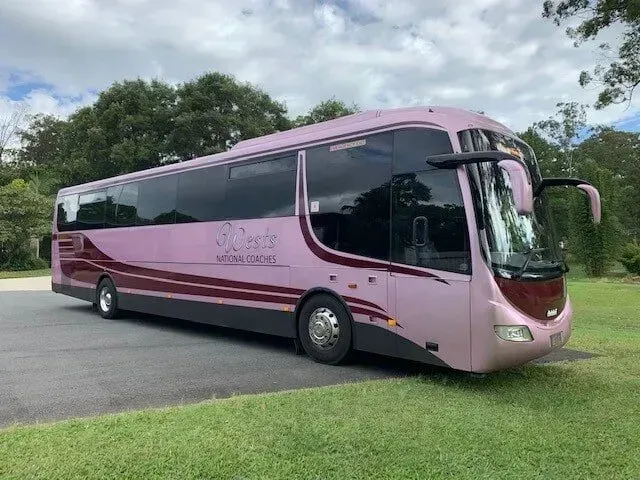
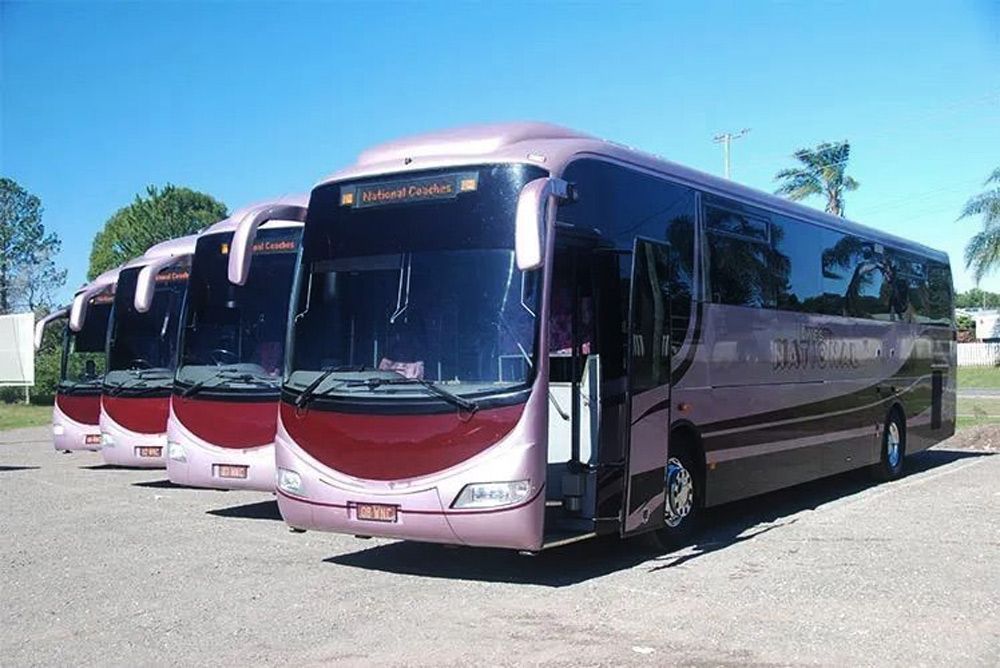
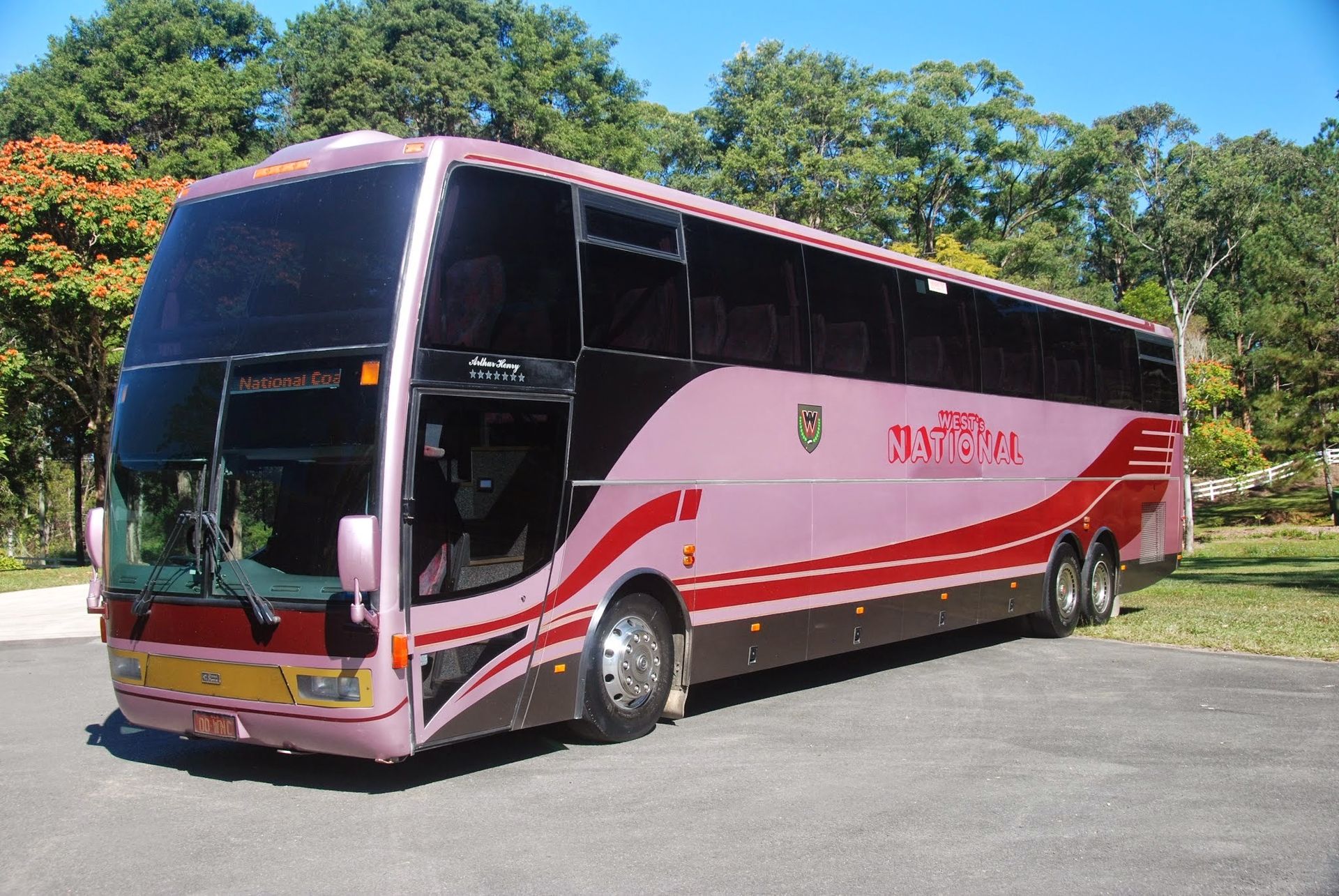
This is where choosing bus hire on the Sunshine Coast from an experienced provider makes a measurable difference. A provider who's handled large groups before understands boarding logistics, luggage handling and the kind of scheduling flexibility that keeps an event on track even when something changes at short notice. For corporate event planners managing transfers alongside flights or accommodation, having a dependable corporate event transport partner takes one major variable out of the planning equation entirely.
For sightseeing tours, multi-stop itineraries and full-day group outings, reliable coach hire for large groups means organisers can focus on the experience itself rather than the logistics behind it. And for community groups, schools and clubs planning ahead, trusted coach hire on the Sunshine Coast becomes one less thing to resolve for every event.
Over time, the organisers who improve most aren't reinventing their approach each time – they're refining a system, and choosing partners who make that system easier to run. Contact Wests National Coaches to learn more.
Frequently Asked Questions
How can event organisers improve group coordination over time?
By treating each event as a learning opportunity – tracking what caused delays or confusion, then adjusting schedules, roles and communication systems before the next event. Small, consistent refinements compound into much smoother logistics over time.
What's the biggest cause of delays when coordinating large groups?
Boarding and pickup bottlenecks are among the most common, usually caused by unclear instructions, single pickup points handling too many people at once or unconfirmed headcounts. Staggering pickups and confirming numbers in advance helps prevent this.
Do I need special technology to manage large group logistics?
Not necessarily. Simple tools like shared schedules, group messaging and headcount spreadsheets are often more effective than complex platforms, as long as the whole team actually uses them consistently.
Why is a post-event review important?
A short debrief captures what worked and what didn't while it's still fresh, giving organisers a clear list of adjustments to make before the next event rather than relying on memory.