How Bus Hire Can Support Passengers With Mobility Challenges
Organising group transport becomes more complex when passengers have varying mobility needs. Steps, narrow aisles and tight boarding areas can quickly turn a straightforward journey into a logistical challenge. If you’re organising bus hire on the Sunshine Coast, accessibility should be one of the first things you consider.
Accessible transport is not simply about meeting requirements. It is about enabling passengers to board comfortably, travel safely and arrive without unnecessary difficulty. For carers, event planners, schools and community coordinators, the right vehicle combined with considered service helps remove barriers before the trip even begins. This article explores how bus hire services support passengers with mobility challenges and what organisers should think about when planning inclusive group travel.
Accessible Entry & Exit Points
The first point of difficulty for many passengers is boarding. High steps and narrow entrances can create immediate obstacles.
Modern accessible coaches are designed to address these challenges through features such as:
- Low-floor or kneeling suspension systems
- Hydraulic wheelchair lifts or ramps
- Wide automatic doorways
- Non-slip boarding surfaces
These features reduce physical strain and allow passengers using wheelchairs, walking frames or mobility scooters to board more comfortably. Even passengers who do not use mobility aids may benefit from stable, low-entry access.
Clear and safe entry points also support carers who assist passengers during boarding. The process becomes smoother, less rushed and more structured.
Secure Wheelchair Positioning During Travel
Providing entry access is only one part of accessible transport. Once onboard, passengers need secure and stable positioning.
Accessible vehicles typically include:
- Dedicated wheelchair bays
- Restraint systems that secure mobility devices
- Anchoring points built into the vehicle floor
- Clearly marked priority seating areas
Proper restraint systems prevent movement during transit and contribute to passenger safety. This becomes particularly important during longer journeys or on uneven road surfaces. Passengers should feel stable and supported throughout the trip, not just during boarding.
Interior Space & Ease of Movement
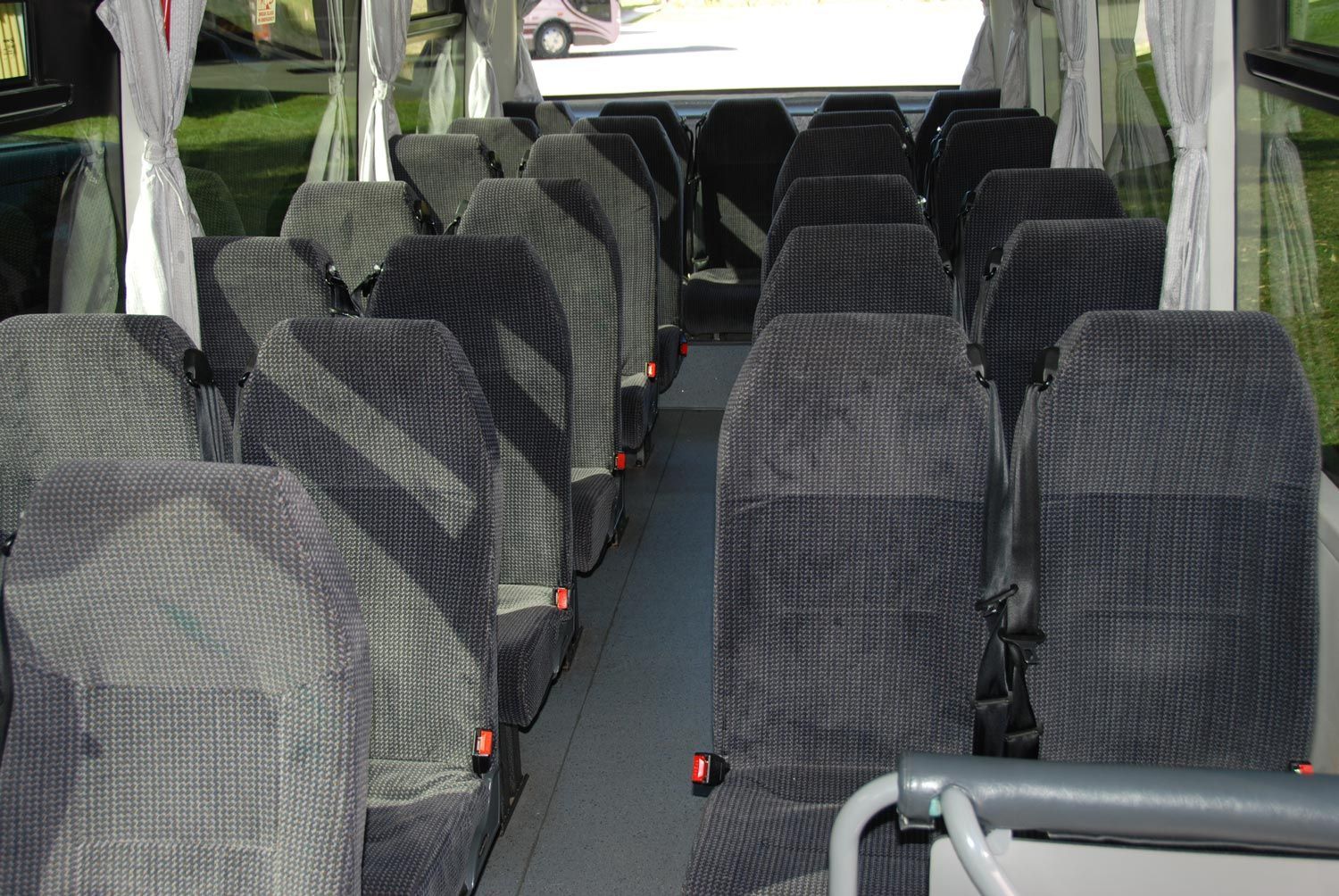
Accessibility extends beyond wheelchair accommodation. Some passengers may require additional space due to reduced mobility, balance concerns or medical conditions.
Spacious interiors support:
- Wider aisles for easier navigation
- Additional legroom
- Accessible seating near entry points
- Room for mobility aids to be positioned safely
When arranging bus hire for community outings or mixed-age groups, interior space can significantly affect overall comfort. Crowded layouts can increase anxiety or discomfort, particularly for passengers who move more slowly.
A well-designed coach interior allows everyone to settle in without feeling confined.
The Role of Professional Drivers
Vehicle design plays a major role, but the approach of the driver also shapes the experience. Drivers who understand mobility considerations can assist passengers in a respectful and practical way.
Driver responsibilities may include:
- Allowing adequate boarding time
- Assisting with lift operation
- Ensuring wheelchair restraints are properly secured
- Communicating clearly about the journey
Patience and clear communication are key. Rushing boarding procedures can increase stress for passengers and carers. A measured approach supports both safety and dignity.
Planning Ahead for Accessibility
Accessible group travel requires coordination. Early communication between organisers and the transport provider reduces uncertainty.
Important planning details may include:
- Number of passengers using mobility aids
- Type of mobility equipment being transported
- Pick-up and drop-off site access
- Duration of travel and rest breaks
Providing accurate information allows the operator to allocate the correct vehicle and prepare accordingly. This preparation reduces the likelihood of last-minute adjustments on the day of travel.
For many planners booking bus hire on the Sunshine Coast, early discussions about accessibility are now considered standard practice.
Supporting Schools & Community Groups
School excursions, community outings and support group activities often include participants with diverse mobility needs. Coordinating transport for these groups requires careful organisation.
Accessible bus hire supports:
- School excursions and educational visits
- Sporting and recreational events
- Day trips for aged care residents
- Disability support program outings
Transporting the group together in one accessible vehicle simplifies logistics and promotes inclusion. It also allows carers and organisers to supervise passengers more effectively during travel.
Comfort on Longer Trips
Longer journeys require attention to more than accessibility features alone. Comfort becomes a significant factor, especially for passengers who may tire easily.
Key comfort considerations include:
- Climate-controlled interiors
- Supportive seating
- Smooth suspension systems
- Quiet cabin environments
Temperature regulation is particularly important. Some passengers with mobility challenges may be more sensitive to heat or cold. Consistent interior conditions contribute to overall wellbeing during travel.
Promoting Independence & Dignity
Accessible transport should aim to support independence wherever possible. Passengers should be able to board, travel and disembark with confidence.
This involves:
- Clear walkways free of obstacles
- Logical seating arrangements
- Stable handrails
- Allowing passengers time to move at their own pace
When organising bus hire, many planners value services that treat accessibility as a normal part of transport rather than a special arrangement. Respectful assistance reinforces dignity and helps create a positive travel experience.
Reliability & Scheduling
Timely arrivals and departures matter. For medical appointments, formal events or organised tours, delays can have wider implications.
Reliable transport supports:
- Clear booking confirmations
- Structured pick-up schedules
- On-time arrivals
- Coordinated return trips
Predictable timing reduces stress for organisers and passengers alike. Accessibility planning is most effective when combined with consistent scheduling.
Choosing a Suitable Bus Hire Provider
Selecting the right provider requires more than confirming availability. Accessibility should be embedded within the service offering.
When evaluating options, organisers may consider:
- Availability of wheelchair-accessible vehicles
- Transparent communication about features
- Willingness to discuss specific passenger requirements
- Experience transporting diverse groups
Clear communication builds confidence before the journey begins. Understanding exactly what the vehicle offers helps planners make informed decisions.
Book With Us – Bus Hire on the Sunshine Coast
Accessible group transport involves thoughtful vehicle design, careful planning and respectful service. Features such as wheelchair lifts, secure restraint systems and spacious interiors support safe and comfortable travel. Professional drivers contribute by assisting passengers patiently and communicating clearly.
At
Wests National Coaches, we provide accessible bus hire services across the Sunshine Coast, supporting inclusive group travel with vehicles designed to accommodate a range of mobility needs. To discuss your upcoming
booking, visit our website and
speak with our team.